Let's get uncomfortable for a second.
You paid an influencer $5,000. They posted. You got 200,000 "impressions." Their comments section looked alive. Everyone's happy.
Except your bank account. Because impressions don't pay your rent.
Here's the truth most agencies won't say out loud: reach is the most expensive lie in marketing. It's a billboard in the desert. Sure, technically people could see it. But nobody's stopping. Nobody's buying. You're just burning cash and calling it "brand awareness."
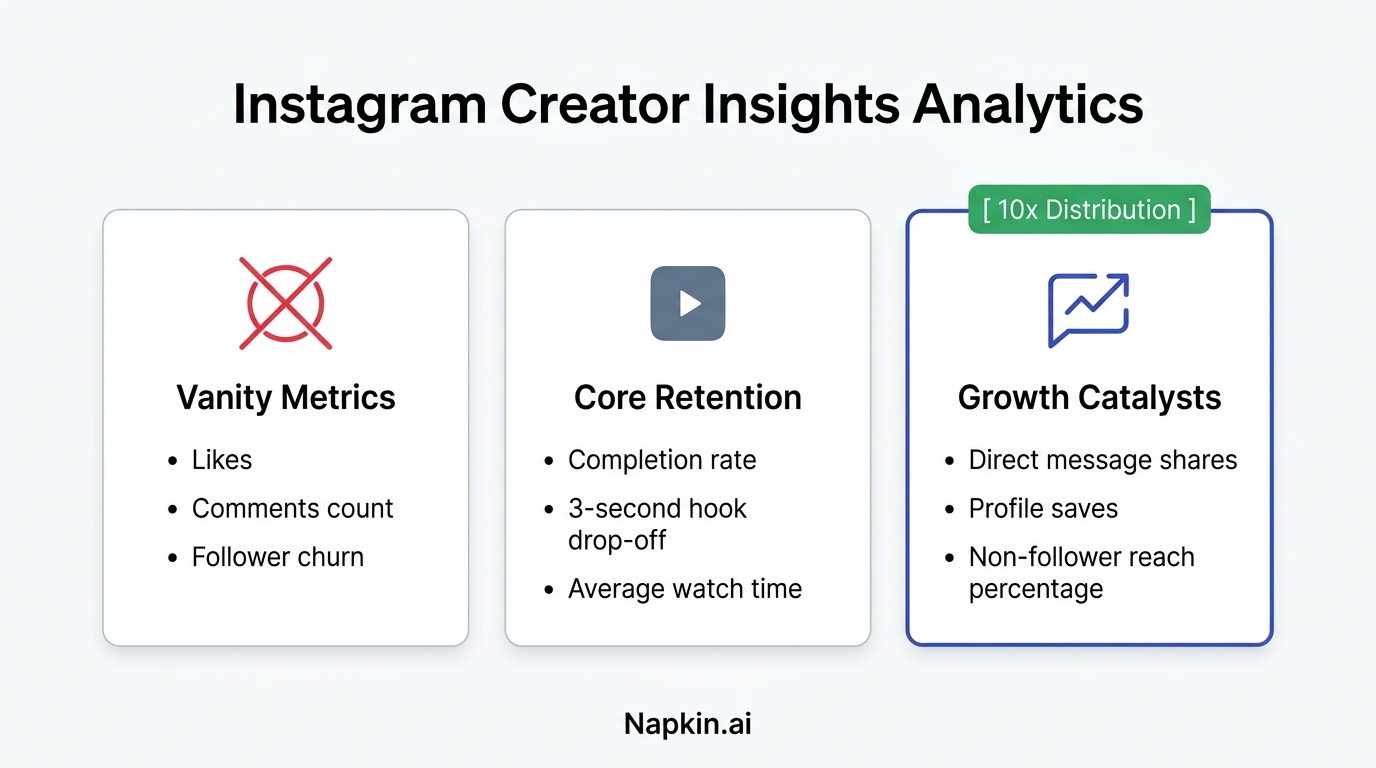
Vanity metrics exist to make bad campaigns feel acceptable.
The Old Way vs. The New Way (And Why You're Probably Still Doing It Wrong)
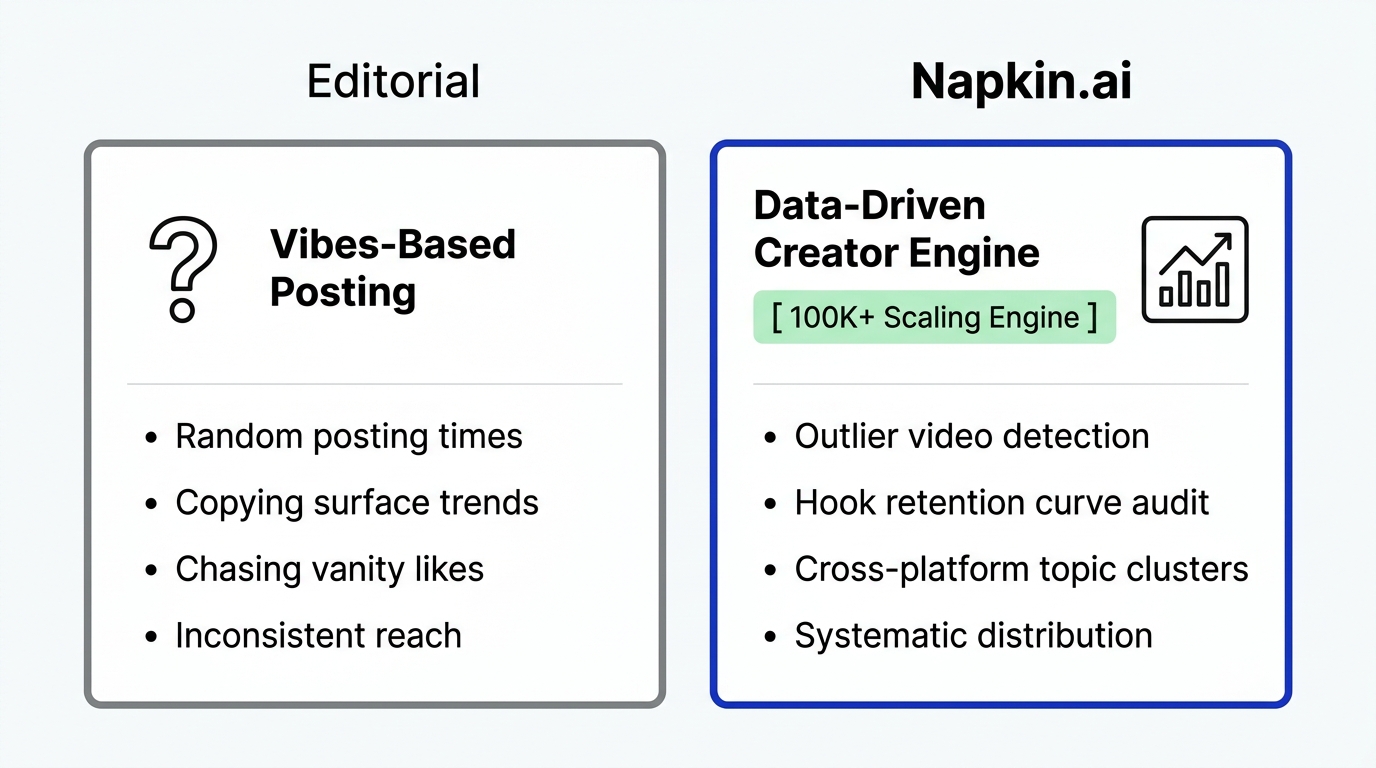
Old way: Pick influencers with big follower counts. Hope their audience cares. Measure "engagement rate" and impressions. Cross your fingers. Never actually know if a single sale happened.
That's not marketing. That's gambling with a prettier interface.
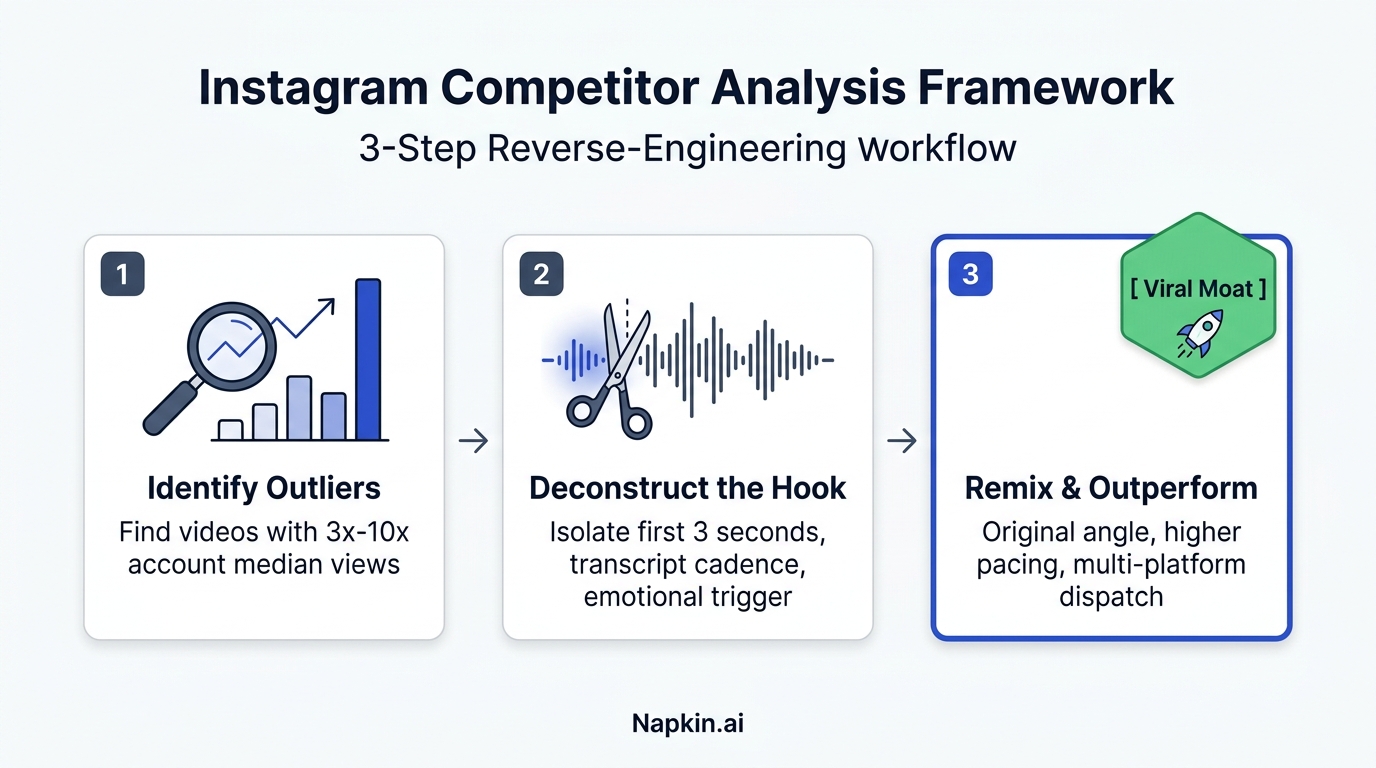
New way: Track revenue. Not likes. Not shares. Not some vague "sentiment score."
Track who bought what, when, and from which exact post. Map every dollar spent to every dollar earned. Kill what doesn't convert. Double down on what does.
This isn't revolutionary. It's just honest accounting.
 *[Napkin sketch: Split screen. Left side = influencer post with "200K impressions!" and zero dollar signs. Right side = smaller creator post with "12K impressions" but cash register ringing. Caption: "Which one paid your salary?"]*
Why Reach Is a Scam (And What Actually Matters)
Reach tells you how many eyeballs might have scrolled past your content. That's it. It doesn't tell you:
- Did they care?
- Did they click?
- Did they buy?
- Did they come back?
Imagine paying for a restaurant ad that only measured "how many people walked past the window." Cool. Did anyone sit down and order?
The metrics that matter aren't sexy. They're surgical:
Cost-per-acquisition (CPA): How much you spent to get one actual customer.
Return on ad spend (ROAS): How many dollars you made for every dollar you spent.
Lifetime value (LTV): Are these customers one-and-done, or are they sticking around?
Post-level revenue tracking: Which exact piece of content drove actual sales.
This is the difference between feeling like your campaign worked and knowing it did.
The Sales-First Framework: How to Actually Track What Converts
Here's the framework that separates agencies who guess from agencies who grow.
Step 1: Stop Picking Creators Based on Follower Count
Follower count is a popularity contest. You're not throwing a party. You're trying to make money.
Start here instead: Who's driving transactions? Use tools that show you sales data, not just engagement theater. Look for creators with proven affiliate revenue, conversion history, and audience quality: not just audience size.
Big accounts with zombie followers are worse than small accounts with buyers.
 *[Napkin sketch: Two creators side by side. Creator A has 500K followers, "2% engagement," "$0 tracked sales." Creator B has 50K followers, "8% engagement," "$12K in sales last quarter." Arrow pointing to Creator B with "This one."]*
Step 2: Integrate Your Commerce Stack (Or You're Flying Blind)
If your influencer platform doesn't connect to Shopify, WooCommerce, or whatever you're using to actually sell things, you're stuck in 2019.
Real-time ecommerce integration means you see:
- Which creator's post drove Sale #4,392
- What that customer bought
- If they came back
- How much they spent total
This isn't optional anymore. Platforms like Creator Insights tie creator activity directly to your transaction logs. You stop guessing. You start knowing.
Step 3: Track Performance by Platform (They're Not All Equal)
Instagram might drive instant sales. TikTok might build long-term awareness. YouTube might convert slow but loyal buyers.
Don't treat them the same. Track:
- Unique reach (new users actually engaging, not bots)
- Traffic through trackable links (UTMs, affiliate codes, custom URLs)
- Platform-specific conversion rates (Instagram checkout vs. TikTok link-in-bio friction)
One platform will always outperform. Find it. Fund it. Forget the rest until the math changes.
 *[Napkin sketch: Three platform icons (Instagram, TikTok, YouTube) with bar graphs showing "Sales Driven." Instagram bar tallest, TikTok medium, YouTube smallest. Caption: "Your money should follow the bars, not your feelings."]*
Step 4: Optimize Mid-Campaign (Or Waste Half Your Budget)
Most brands set a campaign and walk away. Then they check results at the end and wonder why half their budget disappeared into the void.
Here's what winners do differently: they watch real-time data and move money while the campaign's still live.
If Creator A is driving sales and Creator B is driving crickets, you don't wait. You cut B. You double down on A. You find creators like A and activate them immediately.
This is where platforms with creator leaderboards and live performance dashboards separate themselves. You need to see who's winning while the game's still on.
How to Do It with Creator Insights
We built Creator Insights for teams tired of paying for theater.
Here's what that looks like in practice:
Discovery that filters for revenue, not vanity: Our AI doesn't just find creators with big audiences. It finds creators with proven conversion history and audience quality metrics that correlate with actual sales.
Affiliate tracking baked in: Every creator gets trackable links. Every sale gets attributed. No spreadsheets. No guessing. Just clean data showing who's making you money.
Cross-platform performance breakdown: See exactly which platform, which creator, and which post drove revenue. Then reallocate budget in real time.
ROI dashboards that speak CFO: Your finance team doesn't care about engagement rate. They care about ROAS. Our reports show them numbers that matter: CPA, LTV, incremental revenue.
Want to stop donating money to vanity metrics? Start here.
The Bottom Line
Reach is cheap to buy and expensive to believe in.
If your influencer campaigns aren't tracking sales, you're not running marketing: you're running a charity for social platforms.
The framework's simple: integrate your commerce stack, track revenue by creator and platform, kill what doesn't convert, scale what does.
It's not complicated. It's just honest.
And honestly? Most brands still aren't doing it.
Which means if you start now, you're not catching up. You're getting ahead.